When you search for Sandy Springs GA homes for sale or consider whether to sell your Sandy Springs home, national headlines matter but local details decide outcomes. Small pieces of information collected from current listings, recent sales, and neighborhood patterns add up to big advantages for both buyers and sellers. This post shows the exact local data points to watch, how to use them, and practical steps you can apply today to get the best result in Sandy Springs real estate.
Why small data matters more than big trends right now
National mortgage rates and broad market cycles set the backdrop, but three or four local facts usually determine whether a property sells fast or sits on the market. In Sandy Springs GA, those facts include inventory levels in the specific price band, the typical days on market for similar homes, seasonal buyer behavior around Perimeter Center and nearby employment hubs, and subtle condition issues that local buyers expect. Focusing on these smaller, hyperlocal metrics gives buyers a clearer offer strategy and sellers a targeted plan to maximize sale price.
Key local metrics every buyer and seller should track
- Inventory by price band. Sandy Springs neighborhoods often show very different supply patterns for under 400k, 400k to 700k, and above 700k price ranges. Know where your home or target falls.
- Days on market and sale to list price ratio for comparable properties. These numbers reveal how aggressive pricing needs to be and whether buyers are getting concessions.
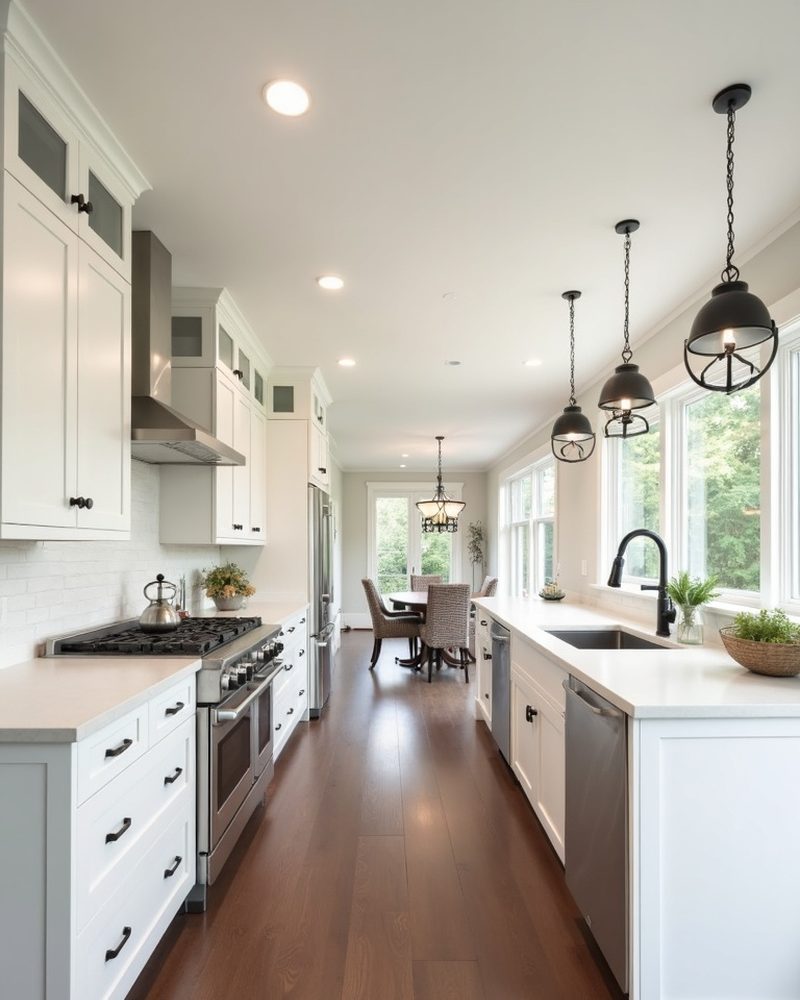
- Recent renovation and finish expectations. Buyers in Sandy Springs expect certain kitchen and bath standards in specific neighborhoods, and small cosmetic upgrades can change offers materially.
- Local commuting and lifestyle factors. Proximity to Perimeter Center, GA 400 access, public transit options, and walkability to parks or dining can be decisive for many buyers.
- HOA fees and community rules. For condos and some neighborhoods, monthly dues affect buyer budgets and should be factored into pricing or offer negotiations.
How sellers can apply small data to create a winning listing
- Price to the right audience. Instead of a single market value, identify the buyer segment most likely to purchase your home and price to attract them. This could mean pricing slightly below a psychological threshold to create competition or pricing where there is the least inventory in your neighborhood.
- Prioritize fixes that buyers notice first. Address front yard curb appeal, lighting, entry door, and one high impact interior refresh such as painting or modern hardware. These are small investments with outsized returns in Sandy Springs neighborhoods.
- Use comparable sale timing to pick your listing window. If similar homes sell faster in spring or show a midweek offer surge, plan your showing schedule and open houses to match buyer activity windows.
- Stage for the typical buyer profile. If buyers near a medical district or corporate hub are common, stage spaces to highlight home office potential and easy commutes.
How buyers can use small data to win offers without overpaying
- Know the seller's timeline. A seller needing a quick close may accept a slightly lower price with fewer contingencies. Small data from listing history and agent conversations reveals this vulnerability.
- Make an offer structure that fits the market. In low inventory segments, an escalation clause or a clean appraisal contingency can be powerful. In high inventory, aggressive inspection demands may be acceptable to protect your interests.
- Be ready with local comparables. Back your offer with specific nearby sales rather than broad county data. Showing an agent you understand
