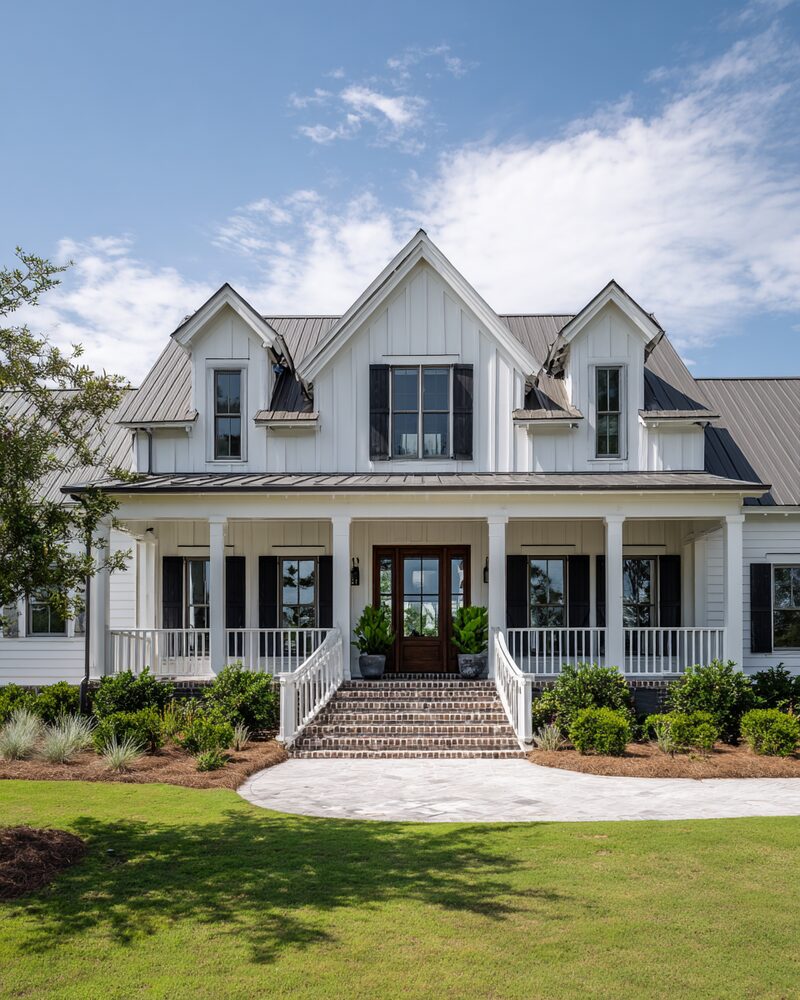
Sandy Springs GA real estate is shaped more by small location details than most sellers or buyers expect. Whether you are searching Sandy Springs homes for sale or preparing to sell, understanding how proximity to parks, major roads, school boundaries, and future development affect demand will give you an advantage that lasts beyond any single market cycle.
Start with the practical map items buyers and sellers often overlook. A home two blocks closer to the Chattahoochee River or a neighborhood pocket with mature trees and sidewalks can command stronger buyer interest. Conversely, properties adjacent to busy corridors or commercial nodes may trade at a discount unless they feature soundproofing, thoughtful landscaping, and strategic pricing. For sellers, highlighting the positive micro-location features in the listing and photography helps buyers immediately connect value to place.
Schools and school boundaries remain one of the most durable value drivers in Sandy Springs. Even when schools are not the decisive factor for every buyer, the perception of strong schools supports long-term resale. For buyers, confirm current boundary lines and any proposed rezoning before you make an offer. For sellers, assemble local school information into your marketing packet so it resonates with family-focused buyers.
Commute patterns and access to major routes shape everyday life here. Easy access to GA 400, I-285, and Perimeter Center can be a selling point for commuters, but traffic noise and peak congestion are real considerations. Describe typical commute times, transit alternatives, and nearby employment centers when you list a home. Buyers should test drives at commute times to get a realistic sense of the route.
Flood zones and lot topography matter in Sandy Springs because of the river and local creeks. Check FEMA maps, elevation, and local drainage history before you buy or list. Investments in graded landscaping, downspout extensions, and documented inspections can remove buyer anxiety and prevent price reductions during negotiation.
Smart renovation choices tend to be the same across neighborhoods: kitchens that balance form and function, bathrooms with modern fixtures, and outdoor living spaces that extend usable square footage. But tailor upgrades to the neighborhood price band. A full gourmet kitchen might be essential near newer subdivisions, while refreshed bathrooms and neutral paint could bring the biggest return in established pockets.
Pricing strategy should be hyper-local. Sellers benefit from price comps pulled from the exact neighborhood, not the entire city. Buyers can spot opportunity by comparing similar homes by lot size and street orientation instead of
